What to know about rubbish disposal at Chiswick House
Posted on 15/07/2026
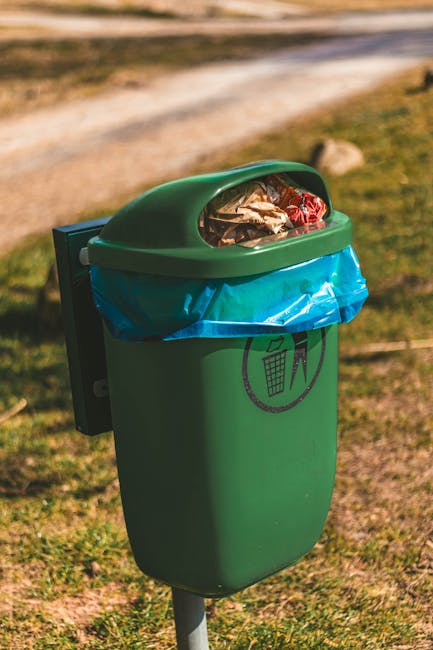
Planning a visit to Chiswick House is usually about the gardens, the architecture, and that calm, almost timeless feel you get as soon as you step onto the grounds. But there is another side to the experience that people often only think about after the fact: rubbish disposal at Chiswick House. Whether you are clearing up after a private gathering, managing waste from an event, or simply trying to be a considerate visitor, it helps to know what is expected and what a sensible approach looks like.
Truth be told, waste is one of those small things that can turn into a surprisingly big headache if you leave it too late. Nobody wants to be that person with a pile of bags by the gate. This guide breaks down the practical side of rubbish disposal at Chiswick House, from common waste types and likely disposal expectations to best practice, compliance, and simple ways to avoid awkward mistakes.
- Why it matters
- How it works
- Key benefits and practical advantages
- Who this is for and when it makes sense
- Step-by-step guidance
- Expert tips for better results
- Common mistakes to avoid
- Tools, resources and recommendations
- Law, compliance, standards, or best practice
- Options, methods, or comparison table
- Case study or real-world example
- Practical checklist
- Conclusion
- Frequently asked questions
Why What to know about rubbish disposal at Chiswick House Matters
Chiswick House is not the sort of place where rubbish can be treated casually. It is a heritage setting, and that changes the standard a bit. The grounds, visitor routes, and event spaces need to stay tidy, safe, and visually intact. So the way waste is handled matters not just for cleanliness, but for the experience of everyone else using the space.
For visitors, rubbish disposal may be as simple as carrying packaging away with you. For event organisers or anyone dealing with a larger volume of waste, it becomes more structured. You may need to separate general waste, recyclables, garden-type debris, or bulky items, and you may need to arrange collection rather than hoping on-site bins will cope. That assumption, by the way, is a classic mistake.
There is also a reputational side. If waste is left in the wrong place, it can create obvious problems: mess, pests, complaints, and extra work for staff. In a place as carefully maintained as Chiswick House, even a small lapse stands out. The smell of warm food waste on a summer afternoon is not exactly what anyone wants to remember.
Expert summary: At Chiswick House, rubbish disposal is less about "getting rid of things" and more about doing it discreetly, safely, and in a way that respects the setting. Plan ahead, separate waste properly, and never assume someone else will tidy up after you.
How What to know about rubbish disposal at Chiswick House Works
The practical process depends on the context. A lone visitor with a takeaway cup has a very different waste problem from an organiser clearing a marquee after an evening event. Still, the logic is similar: identify the waste, reduce it where possible, sort it sensibly, and make sure it is removed through an appropriate channel.
In a venue or heritage-property setting, the usual approach is some combination of the following:
- On-site disposal: small amounts of clean litter go into designated bins if provided.
- Bring-in, take-out: anything you carry in, especially catering packaging or event materials, should often be taken out with you.
- Collection after the event: larger waste loads are usually better handled through a planned rubbish collection or waste removal service.
- Segregation of waste streams: cardboard, food waste, mixed waste, and bulky items should not all be thrown together if it can be avoided.
That last point matters more than people think. Mixed waste is harder to handle, less likely to be recycled, and more awkward to move. If you have ever looked at a pile of flattened boxes, broken decorations, and half-empty bins after a function, you will know what a nuisance that can become in about ten minutes flat.
If you are planning something bigger in the area, it may help to think beyond the site itself and look at practical support options such as rubbish collection in Chiswick or wider waste removal services. For heavier or more awkward loads, a more targeted service like house clearance in Chiswick can sometimes be the cleaner solution, especially when several waste types need removing together.
Key Benefits and Practical Advantages
Good rubbish management at Chiswick House is not just about staying tidy. It saves time, reduces friction, and makes the whole day feel smoother. And yes, that matters even if waste is not the exciting part of the plan.
- Cleaner surroundings: a neat site feels more welcoming and more professional.
- Lower risk of complaints: guests, neighbours, and staff are less likely to be inconvenienced.
- Better recycling outcomes: sorting waste properly improves the chances of reuse and recycling.
- Safer walkways: fewer loose items, less trip hazard, less spill risk.
- Less last-minute stress: if collection is arranged early, there is far less chaos at the end.
There is also a practical cost angle. More organised disposal often means fewer emergency decisions and fewer expensive mistakes, like hiring the wrong vehicle or overfilling the wrong bin. If you are comparing options, it can be worth checking pricing and quotes early, rather than leaving it until the day before. A bit dull? Perhaps. Useful? Absolutely.
For businesses and event planners especially, a good system also helps with internal accountability. People know where to put things, what to separate, and when collection is due. That simple clarity tends to prevent the usual "I thought someone else was handling it" moment.
Who This Is For and When It Makes Sense
This topic matters to a fairly broad group, even if their needs differ. You may be organising a family visit, helping with a formal gathering, working on a property nearby, or managing a small event with catering waste and decorations. Different scale, same basic problem: what is the right way to deal with rubbish without making a mess of the place?
It makes sense to pay attention if you are any of the following:
- Event organisers arranging receptions, private functions, or seasonal gatherings.
- Caterers and suppliers bringing packaging, food waste, or service materials on site.
- Property owners or managers who need to clear waste after works or tenant activity.
- Local residents dealing with bulky household rubbish before or after a visit.
- Commercial clients who need discreet, scheduled collection for a one-off clearance.
For local context, Chiswick is a busy, attractive part of West London, and that means waste planning often sits alongside housing, transport, hospitality, and event logistics. If you are weighing up the area more broadly, some readers also find it useful to explore living in Chiswick: pros and cons and a guide to the beauty of Chiswick, which give a feel for the neighbourhood beyond the waste issue itself.
Step-by-Step Guidance
If you want a straightforward process, this is the practical version. Not glamorous, but it works.
- Identify the waste type. Is it food packaging, garden waste, broken furniture, building debris, or mixed general rubbish?
- Separate what can be separated. Cardboard, cans, glass, and clean recyclables should be kept apart where possible.
- Check what disposal is allowed on site. Some waste may need to leave with you, especially if bins are limited.
- Choose the right collection method. Small amounts may suit a simple pick-up, while heavier loads may need a dedicated service.
- Prepare the waste properly. Use tied bags, sturdy boxes, and safe lifting methods.
- Schedule collection early. Do not leave removal until the end of a busy day if you can help it.
- Confirm the final handover. Make sure waste is removed and the area is checked before you leave.
If your waste is larger or more mixed than expected, a service such as the services overview can help you understand the range of disposal options available. For smaller urgent jobs, some people also look at cheap rubbish collection W4 same-day quotes, especially when timing is tight. It is not always about the cheapest route, though; reliability matters more than people admit.
Expert Tips for Better Results
A few small habits make rubbish disposal far easier at heritage venues and formal event spaces. These are the things experienced organisers tend to do automatically.
- Reduce packaging before the event. Ask suppliers to minimise unnecessary wrapping and empty boxes.
- Label bins clearly. If guests or staff can see what goes where, contamination drops fast.
- Plan for food waste separately. Leftover food is messy and smells quickly, particularly in warm weather.
- Use a staging area. Keep waste away from main visitor routes until it is collected.
- Keep heavy items low. Avoid stacking awkward or sharp rubbish where it might fall.
- Have a back-up bag supply. It sounds obvious, but somehow bags vanish when you need them most.
One practical tip that gets overlooked: assign a single person to make the final check. Not a whole committee. One person. Otherwise everyone assumes the other person has seen the overflowing bin, and suddenly it is nearly dark and the cleanup is taking twice as long as it should.
If your waste includes garden cuttings, soil, or outdoor event debris, it may be worth looking at garden waste removal in Chiswick. For heavier items or longer-term support, some people prefer to look into recycling and sustainability too, because it helps them make better choices before the waste is even generated.

Common Mistakes to Avoid
Most rubbish problems at a place like Chiswick House are not dramatic. They are just the result of little misjudgements stacking up. Here are the common ones.
- Leaving everything for the end. By then, bins are full, staff are busy, and the pressure is on.
- Mixing everything together. A recycling opportunity disappears the moment wet food and broken glass go into the same bag.
- Overestimating bin capacity. A few bags turn into twenty bags very quickly. Happens all the time.
- Ignoring bulky waste. Large items need advance planning, not improvisation.
- Using unsuitable bags or containers. Thin bags split. Cardboard weakens. Spills happen.
- Assuming site staff will clear personal waste. They may not, and they should not be expected to handle your overflow without agreement.
For anyone managing a more substantial load, especially from a property cleanout or office move, it is worth exploring related support pages such as office clearance in Chiswick or builders' waste disposal in Chiswick. These are not just for dramatic clearances; sometimes they fit a mixed waste scenario better than a general collection. Little detail, big difference.
Tools, Resources and Recommendations
You do not need a complicated toolkit to manage waste properly, but a few simple items make the job much easier.
- Heavy-duty bin bags for general rubbish and food waste.
- Reusable crates or boxes for recyclables and breakables.
- Labels or tape to mark waste types clearly.
- Gloves for handling sharp, dirty, or awkward items.
- A trolley or sack truck if you are moving heavier bags or boxes over longer distances.
- A simple waste plan listing what will be generated, where it will be stored, and who is responsible.
For practical next steps, many readers start by checking insurance and safety guidance before any larger clearance or collection. That is sensible, especially where lifting, transport, or public access is involved. If you are comparing providers more broadly, about us can help you understand the sort of team ethos and service approach to expect.
Sometimes the best resource is simply a realistic plan on paper. What rubbish will there be? Who puts it where? Who checks it at the end? That tiny bit of structure can save a surprisingly long evening.
Law, Compliance, Standards, or Best Practice
Waste disposal in the UK is not something to treat casually. While this article is not legal advice, a few general best-practice points are worth keeping in mind if you are managing rubbish around Chiswick House or any formal venue.
- Duty of care matters. Waste should be handed to the right person or service and not left where it becomes someone else's problem.
- Prevent contamination where possible. Mixed waste is harder to recycle and can complicate disposal.
- Handle hazardous items carefully. Sharps, chemicals, and anything suspect need special caution.
- Keep access routes clear. Waste should never block exits, pathways, or emergency access.
- Use reputable operators. If you are hiring out disposal support, choose a service that is transparent about process and safety.
Best practice is usually simple: sort the waste, store it safely, arrange removal promptly, and keep records where needed. If you are dealing with a property, tenancy, or business context, it can also help to review any relevant service terms in advance. The boring paperwork bit is rarely glamorous, but it does save arguments later.
For readers concerned about practical safeguards and fairness in service delivery, the site's terms and conditions and privacy policy are useful places to understand how bookings and personal information are handled. For payment-related confidence, payment and security is also relevant. Not exciting, I know, but worth checking.
Options, Methods, or Comparison Table
If you are deciding how to deal with rubbish at or around Chiswick House, it helps to compare the main methods side by side. There is no single perfect answer; the best choice depends on volume, timing, and what type of waste you have.
| Method | Best for | Strengths | Limitations |
|---|---|---|---|
| On-site bin disposal | Small, clean items | Fast, simple, low effort | Limited capacity, not suitable for bulky waste |
| Self-removal | Light domestic waste or small event leftovers | Flexible, immediate control | Time-consuming, transport required, easy to overfill a vehicle |
| Scheduled rubbish collection | Regular or moderate waste loads | Convenient, predictable, usually less stressful | Needs advance planning |
| Specialist waste removal | Bulky, mixed, or awkward waste | Best for larger clearances and heavier items | May cost more depending on scope |
In practice, many people combine methods. For example, they may separate small recyclables on site but arrange a larger collection for the rest. That hybrid approach is often the least stressful, and it usually fits real-world events better than a one-size-fits-all plan.
Case Study or Real-World Example
Here is a realistic example. Imagine a small private gathering near Chiswick House with catering, floral displays, cardboard packaging, and a few decorative items that cannot just be left behind. At the end of the event, there are three main waste streams: clean cardboard, general rubbish, and some fragile items that need careful handling.
The organiser does three things well. First, they place clearly labelled bags and boxes in a back-of-house area, away from guests. Second, they ask suppliers to flatten cardboard before leaving. Third, they arrange collection in advance so the waste can be removed soon after the event rather than sitting around overnight.
The result? Less clutter, fewer complaints, and no awkward morning-after scramble. The venue feels calm again much sooner. Simple enough, but that is the point. The best waste plans are often the ones nobody notices because they just work.
For a larger household or property scenario, the same principle applies. If waste is spread across rooms, gardens, or outbuildings, a more comprehensive service such as rubbish removal for Chiswick High Road homes can be a helpful reference point for thinking about planning, pacing, and avoiding clutter overload.
Practical Checklist
Use this checklist if you want a quick, sensible way to stay on top of disposal.
- Confirm what waste will be generated.
- Separate recyclables, general waste, and bulky items.
- Check whether any items need special handling.
- Use strong bags or containers that will not split.
- Keep waste away from visitor routes and entrances.
- Set a clear collection time before the event ends.
- Have gloves, labels, and spare bags ready.
- Make one person responsible for the final waste check.
- Confirm the area is left clean and safe.
- Review what could be reduced or reused next time.
If you are handling a larger clear-out, it may also help to review house clearance options in advance so you are not trying to make a last-minute decision under pressure. It is always easier to choose calmly than in a flurry at the end of the day.
Conclusion
What to know about rubbish disposal at Chiswick House comes down to a few practical truths: plan early, keep waste separate where possible, use the right method for the volume involved, and treat the setting with care. That is really the heart of it.
Whether you are visiting, organising an event, or managing a more involved clearance nearby, the goal is the same: leave the place tidy, safe, and ready for the next person to enjoy. There is something quietly satisfying about that, actually. A clean finish. No mess left behind. Everyone benefits.
Get a free quote today and see how much you can save.
And if you are still weighing up the broader Chiswick picture, a little more research never hurts. The area has its own rhythm, after all, and the better prepared you are, the smoother everything feels in the end.


Copyright © . House Clearance Chiswick. All Rights Reserved.